
AGL Bayswater: Planned Maintenance Optimisation
3 MINUTE READ

Evidence first: using PFMEA to find what maintenance really costs and what can safely be stopped


THE PROJECT
Secora is supporting AGL Macquarie’s Maintenance and Outages team through reliability engineering, Lean/Six Sigma–driven process improvement, and investigations and implementation, delivering safer, more efficient operations and reduced de-rates across AGL teams and embedded contractors.
WHO WE’RE WORKING WITH
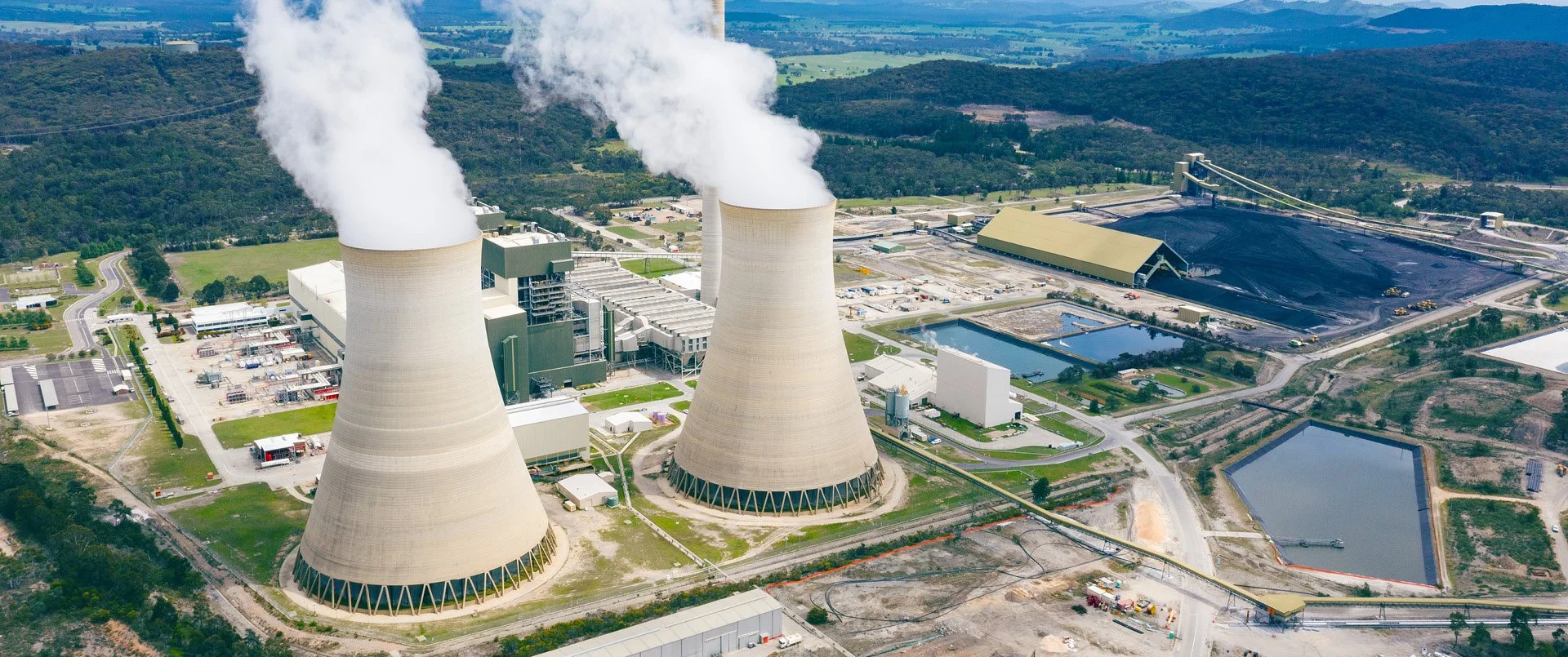
AGL Energy’s Bayswater Power Station, one of Australia's largest coal-fired generation facilities, located in the Hunter Valley, NSW
THE CHALLENGE
Bayswater operates an extensive planned maintenance programme managed through SAP. Over time, as at most large facilities, the programme accumulated a number of sub-optimal components:
OEM-derived plans applied without adjustment to AGL's actual duty cycle,
legacy plans with no modification history,
condition-based strategy changes tracked informally outside the system, and
administrative tasks with no clear asset linkage.
The question was not whether opportunities existed — it was how to find them systematically, prioritise them defensibly, and engage the people closest to the equipment before making any changes.
WHAT SECORA IS DOING
Secora’s Bayswater Planned Maintenance Optimisation is structured across four phases:
Phase 1 established the project framework and data access.
Phase 2 applied a Process Failure Mode and Effects Analysis (PFMEA) methodology to the PM process itself — treating the maintenance planning system as the process under review and identifying where it structurally fails to deliver appropriate tasks at appropriate frequencies. This produced seven in-scope optimisation opportunities, each structured as a clear observation, impact assessment, recommendation, and hypothesis to be tested in SAP data.
The priority opportunities include challenging legacy plans that have had no meaningful task-level changes in years, removing non-asset-linked administrative activities from SAP, formalising condition-based strategy changes that currently exist only in M1 notifications and people's heads, and challenging OEM-derived plans against AGL's actual operating conditions and no-fault-found rates.
Phase 3 — now underway — is briefing AGL's asset engineers on each opportunity, gathering feasibility input, and confirming involvement in the validation phase ahead. The engagement is deliberately structured so that field knowledge precedes data analysis: structured conversations with workgroup leaders and technicians happen before any SAP data is pulled or plan modification decisions are made.
Phase 4 will validate the opportunities identified through PFMEA and SAP analysis, producing a prioritised set of plan modifications with a clear evidence base and engineering endorsement. The program is designed to produce durable change — not a one-time review, but a governance-anchored process for ongoing maintenance strategy calibration at Bayswater.
THE RESULT