
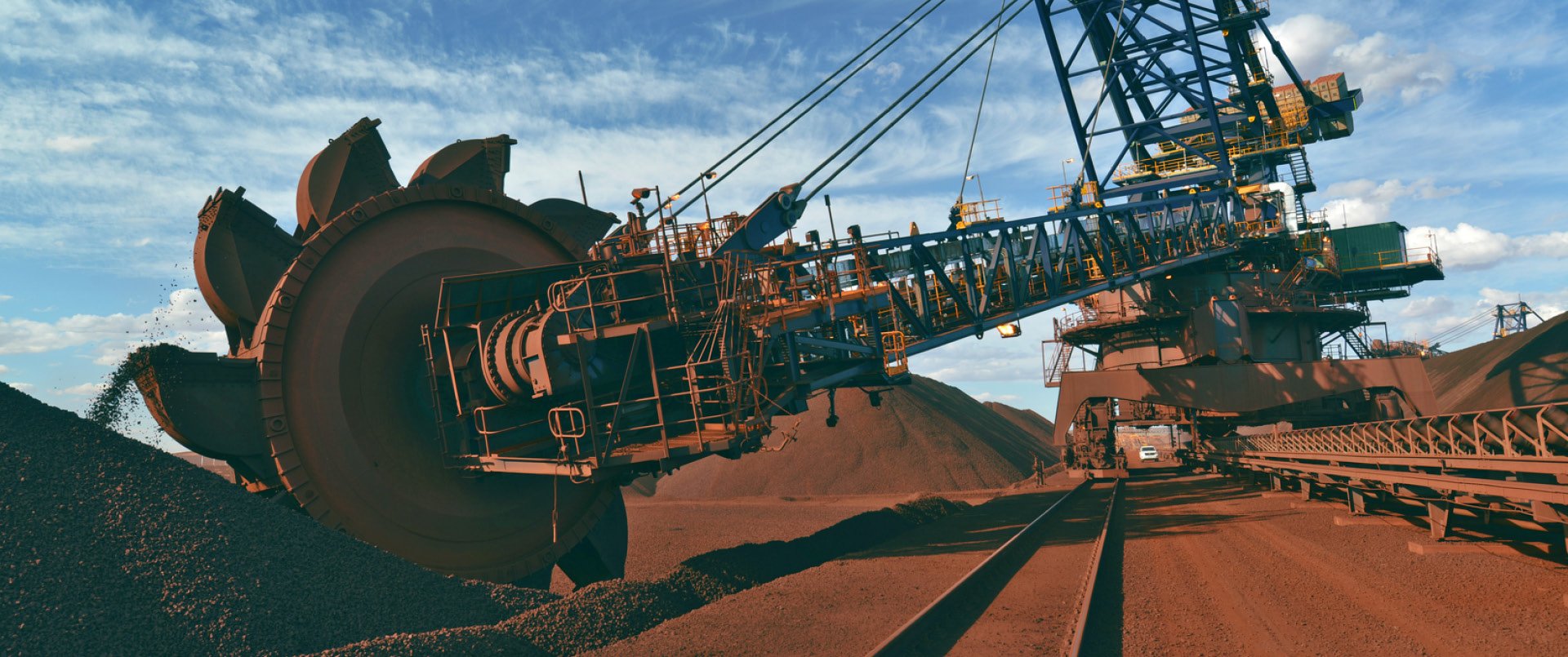
Hancock Iron Ore: Productivity Improvement Program
3 MINUTE READ

Standardised work, behavioural change, and operational ownership — building durable productivity at scale in iron ore


THE PROJECT
Secora was briefed to xxxx x x xxxxxx xxxxxx xx xxxxxx xxxxxxx
WHO WE’RE WORKING WITH
Hancock Iron Ore — a leading Australian iron ore producer operating at Roy Hill, one of the largest single-pit open-cut iron ore mines in the world.
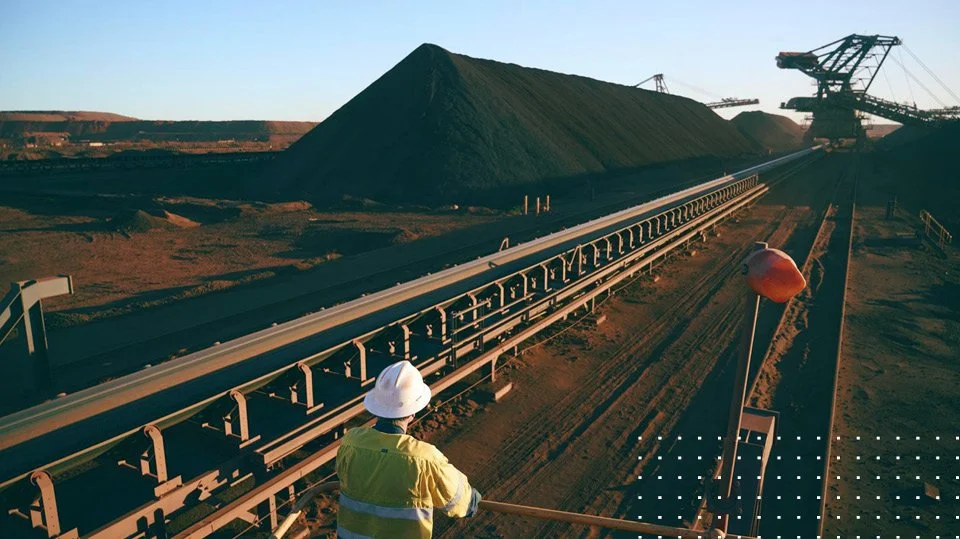
Roy Hill is one of the largest single-pit open-cut iron ore mines in the world.
THE CHALLENGE
Roy Hill's operational context is distinctive: mining equipment capacity exceeds what is needed to hit required tonnage. The constraint is processing, rail, and loading — not the mine itself. This reframes the productivity challenge entirely. Improvements cannot be justified through availability gains to production; the economics require a focus on cost reduction — in-sourcing work from contractors, reducing contractor headcount, and parking up high-cost or problematic equipment. The opportunity is real, but it demands a different kind of improvement program.
WHAT SECORA DID
Secora has been engaged on a multi-stream Productivity Improvement Program (Project 25_031) targeting maintenance and operational efficiency across Roy Hill's heavy mobile equipment fleet.
The core of Phase 1 has been a structured Standardised Work trial across the truck fleet (Truck SW Trial), establishing repeatable, evidence-based maintenance and operating procedures designed to reduce variability, increase hands-on tool time, and build the foundation for performance measurement. Trial results to date are encouraging and broadly consistent with project expectations.
Work is now expanding into ancillary and dozer activities, while the team transitions ownership of standardised work to Roy Hill's operational teams — a deliberate capability transfer designed to ensure the improvement is durable, not dependent on ongoing external support. Secora is also progressing a workforce engagement and capability development program, including a formal Verification of Competence process, to give the productivity team the governance and documentation it needs to sustain gains independently.
A parallel workstream is addressing data and systems challenges — specifically developing processes to extract, manipulate, and reintegrate operational data within the site's digital tools — to support data-driven decision-making as the program scales.
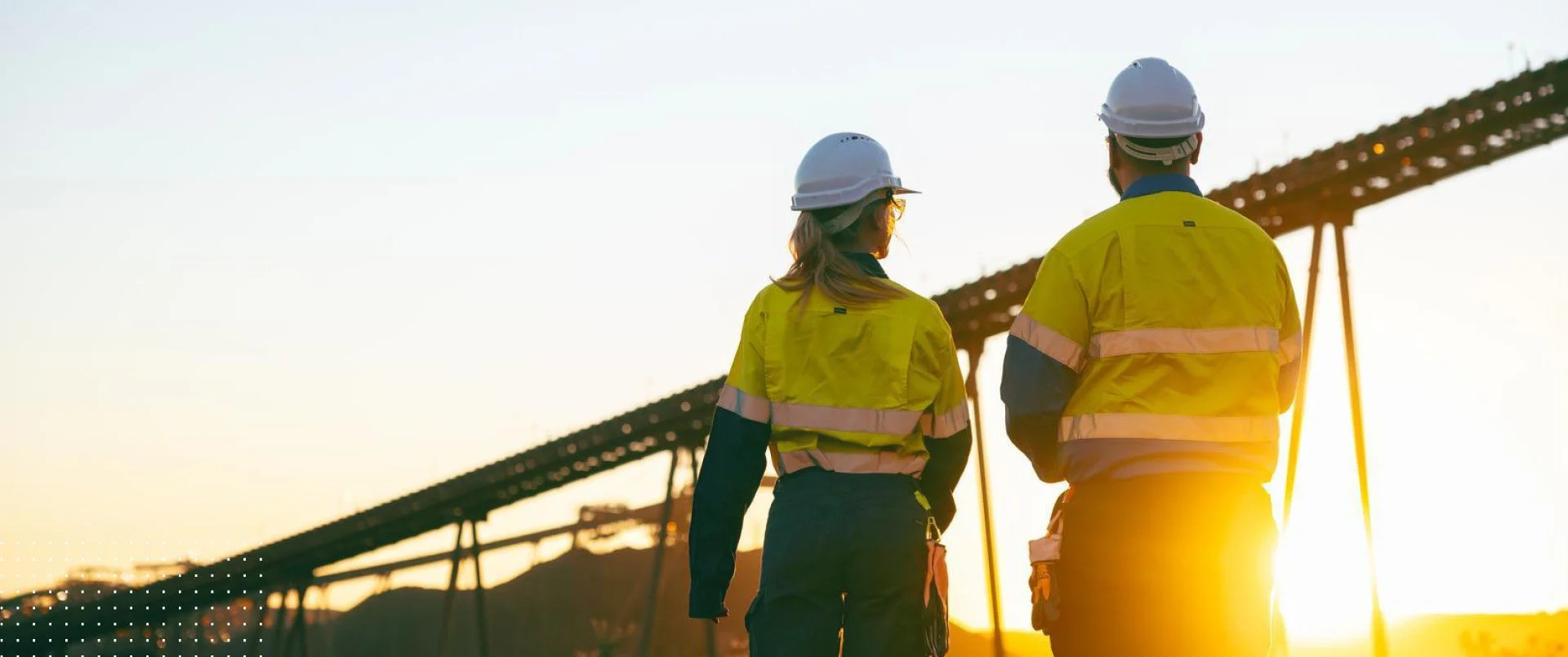
Secora has built in a deliberate capability transfer to ensure the improvement is durable, not dependent on ongoing external support.
THE RESULT
The program is at its approximate midpoint. The early trial results provide a basis for quantifying expected productivity improvements and reductions, and a broader FY27 initiative pipeline — including plant component replacement and fixed plant projects — is being developed to extend the scope of improvement activity across the site.